Essential Gear for a Colorado Fishing Trip
A compact bank kit, sensible wet tackle storage, and adjustable layers can solve most of the small problems that complicate a day on Colorado water.
Essential Gear for a Colorado Fishing Trip
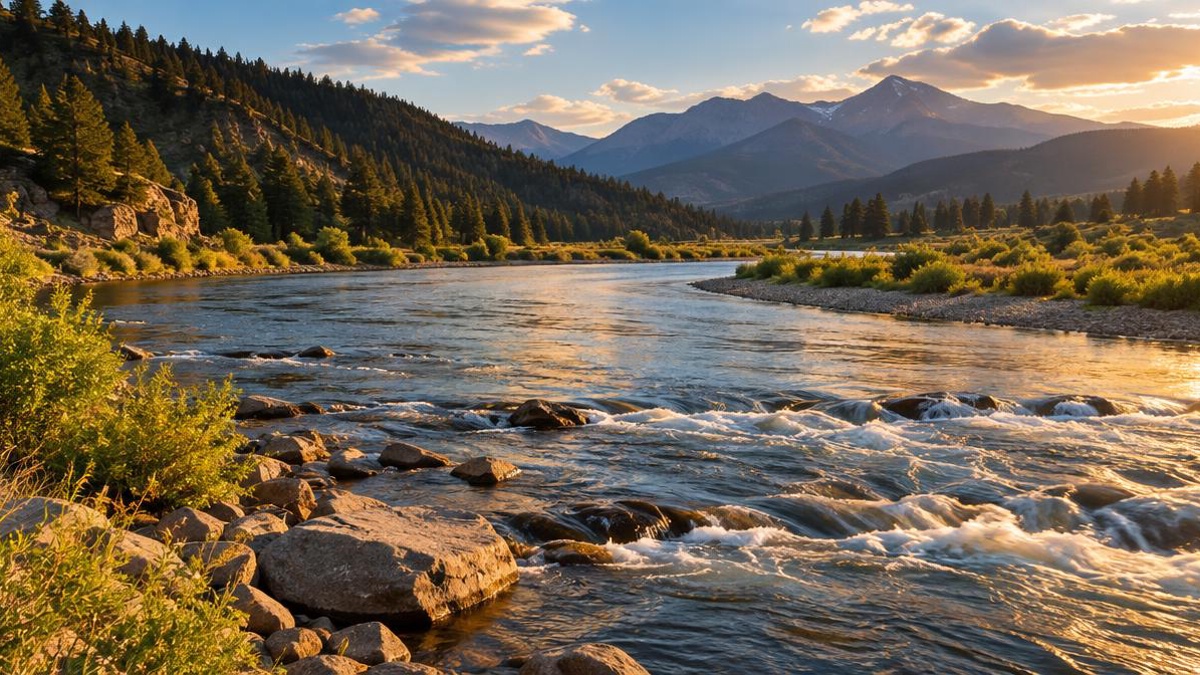
There’s no need to stockpile equipment for a Colorado fishing trip. All you need for most of your bank-fishing adventures is a small kit of tackle, a way to keep wet fish tackle separate from your dry equipment, and a few extras stashed away in your car for when you need them.
Build a small kit you’ll actually carry
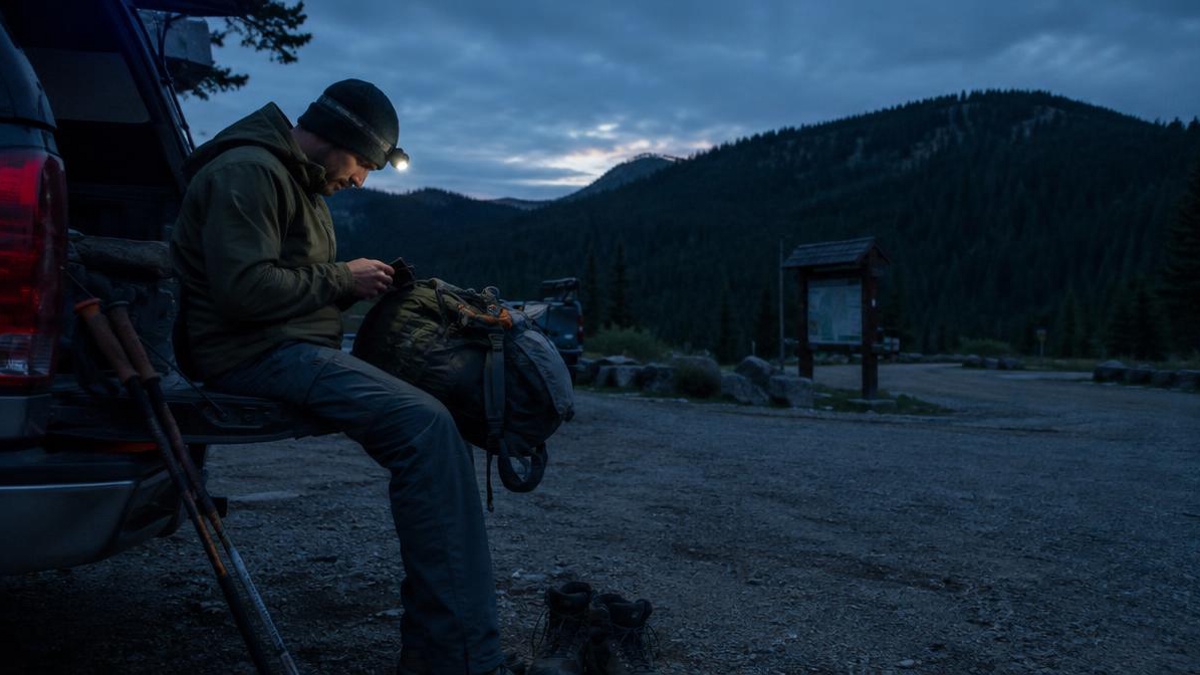
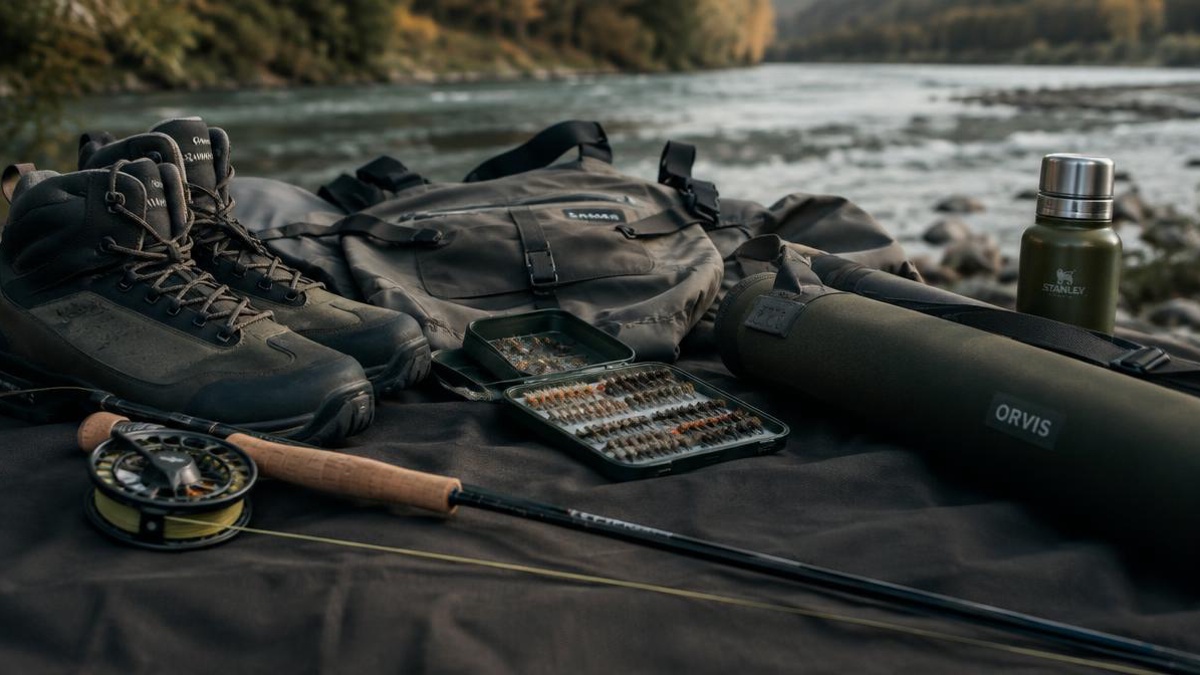
Pack in a small shoulder bag, waist pack or daypack. Only take what you need. This should consist of your rods and reels, one tackle box with all your tackle separated into the different types of tackle (i.e. hooks, lures, etc.) and that which you will use to trim line. Also, include line cutters, forceps or pliers, spare hooks, your fishing license and any other documents required to fish. In addition, include a few small cloths to dry your hands with and to place items such as sharp hooks within the bag to protect them from cutting.
Small cloth items like washcloths, bandanas, or pocket squares will come in handy for drying your hands and wiping away grit and grime from time to time. Also, they can be used to cushion small items in your pack like your first aid kit or small multiplier. Remember to organize your tackle into separate sections for hooks, lures and terminal tackle and keep it separated from other items like your snacks and fork. This will keep you from having to search through a cluttered mass of garbage like most other anglers.
Use fixed storage for sharp tackle and tools such as your forceps, line cutters, etc. A loose hook among your line, snacks, etc in your pack is a nuisance that needs to be avoided especially if you are to be moving around on uneven ground. Even with a smaller kit of tackle, you will find that you have all the equipment you need for your fishing trip and that you can easily find everything you need and that everything will be kept in good condition and not end up in a drawer to be forgotten.
Dress for changing weather
Mountain weather can change in the blink of an eye and can be much different than you read in a morning forecast. As a result, layers of clothing will always be more effective than one bulky jacket. We recommend a moisture managing base layer worn under a mid layer of your choice, and then your outer shell layer for wind and rain. Avoid cotton as it will become cold and heavy when wet.
Gloves for line handling can include fleecy, insulated, slip-on or even ‘touch’ gloves. A brimmed hat or warm beanie is a good option for clothing the head, and spare socks can be stowed in a waterproof sealed sack. Suitable footwear for the bank will need to have stable soles, good support and sufficient room for the socks worn.
I actually have dedicated wading gear for wading, so that isn’t typically included in a casual bank-fishing kit. Also, as you’ll see below, layering allows me to travel with several complete outfits and then wear different layers for different parts of the day. Thus, a single warm layer can be worn and then left at home for a long hike, and a dry layer or two packed in the car to wear when the wind picks up.
Give wet tackle room to dry
Wet tackle should be stowed away in another area of your fishing kit. Even when tackle appears to be nearly dry, water can be left around the hooks, swivels, split rings and other small tackle items. Once you bring these items into a closed tackle box they will begin to corrode before you know it.
Store wet tackle in a separate, open area of your vehicle (such as a pocket of a rear door) until you get home to dry out. This will prevent moisture from entering closed containers and ultimately leading to corrosion of hooks, lures, line guides, etc. When checking hooks for discoloration after fishing, also inspect the parts of your reels that are in contact with your lines and make sure those too are dry before putting them away for good in your tackle room.
Waterproof cases exist to protect your gear during wet weather. But opening up a closed waterproof case after a fishing trip to discover that all your gear is wet is far worse than having you simply dried your gear off at the end of the day.
Leave bulky backups in the car
The big pieces of gear for the car are things to keep you warm and dry, extra food and water, sanitary items, bandages and in extreme cases a first aid kit. In the case of gear that is just too big to carry a towel or absorbent rag can be stashed in the car to dry off with after a rain or a wet landing net.
Make sure your car kit is practical and does not contain heat-sensitive items or valuables. Refrain from storing items of value in your car and avoid displaying items of interest to potential thieves at your destinations. Pay close attention to access and parking for desired fishing locations.
When you are ready to leave for your fishing trip don’t leave behind the shell, warm layers, water, and means of communication for unexpected changes in weather or extended time on the trail. A spare sweatshirt or towel will suffice for the vehicle left behind.
Reset the kit before storing it
Clean up after your next fishing trip and reorganize your equipment for the next time you go out. Your best fishing trip ever will begin with clean, dry reels, sharp tackle organized by type in separate boxes of equipment, and stocked supplies of good quality tackle to throw into your fishing bag before they disappear. Also check the zippers, straps, and rain covers for your gear for any minor repairs needed before they fail completely.
Keep your necessary gear accessible. Allow your wet tackle space to dry. Take care of cold, windy, or rainy days without weighing you down.