How to Keep Fishing Tackle Dry Between Trips
A simple storage checklist helps wet tackle dry fully, keeps used gear away from clean equipment, and catches corrosion before it spreads.
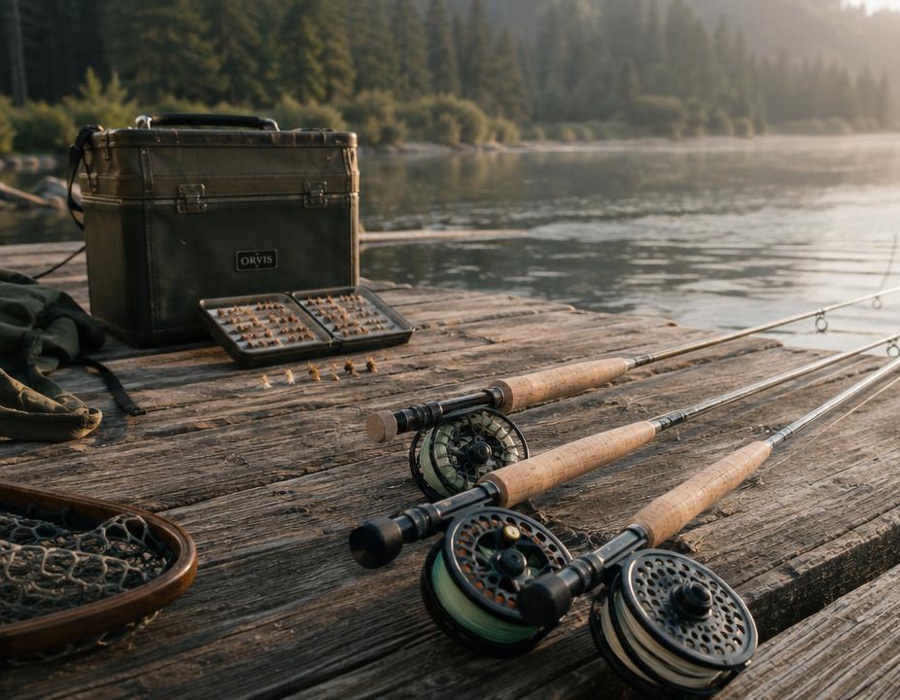
Most fishing tackle storage is little more than a closed box or crowded storage bag left in the garage, shed or under the stairs. Unless you have a short cleanup-up routine at the end of the day, the gear left in the box can become stained, develop stiffened clips, suffer damaged line and get filthy with unpleasant odors. Fishing tackle storage is not about purchasing more containers – it’s about separation of used items and a rinse of those that require cleaning with a good ‘dry’ airflow before inspection of all metal parts.
Open the Kit Before You Put It Away
Wait a few minutes before you close up the box after a trip. Remove the soft sided cases from your boxes and spread out the gear from each damp box in a garage, mudroom or covered outdoor area. This will allow air to circulate around each item to dry.
Empty out any open boxes, paddle bags, bass transporters, bait racks, etc., when you return from fishing. Give them a good shake out first to get rid of any loose debris. Spread out gear on towel, tray or other surface that allows for good airflow to aid in drying out metal parts etc. of tackle, before storing away. This helps to dry out any hooked parts such as hooks, swivels etc., as well as stored tools like pliers, forceps, and other fishing accessories and gear.
Heat to dry out gear is a bad idea. In particular don’t try to dry out gear in a hot car, with a heater or with a hair dryer. The strong heat can damage many things including plastic tackle boxes and soft plastics as well as other adhesives and fishing lines.
Keep Used Tackle Away From Dry Tackle
It is helpful to have a separate temporary store for used tackle, to rinse and check out before putting away in the normal store. Used tackle can be stored in a separate box or bag until clean, then put away in the appropriate compartment of the normal tackle box.
By separating out the used items from the clean tackle you can ensure that if a hook or tool does get muddy, it will not spread to the rest of your tackle. Also it makes for a lot easier of a job when you are searching for missing items.
Never put wet soft plastics away in closed boxes or pouches, as water, dirt and grease can easily come into contact with your other items and even get into the folds of your soft plastics! This can also cause your soft plastics to get stained or even develop tears. So always allow your soft plastics to drain and dry out completely before storing them away. After that, you can check for any possible tears, for any residue left on them and last but not least for any changes in their texture or feeling.
Rinse Tools and Let Them Dry Fully
Rinse metal fishing tackle with clean water after having been used in dirty or salty water. Make sure to also clean the hinges of foldable parts such as grip heads or hook removers. Be sure to move all parts back and forth while rinsing in order to loosen up any particles that might have gotten stuck.
A simple rinsing does not equal drying. First shake off excess water from your tools, then use a clean cloth to wipe them dry. Openly store the fishing tools to let them dry as quickly as possible. In this phase pay special attention to movement areas, spring elements, jaw parts and smaller grooves. Even though they seem to be dry at first, after some time, hidden moisture can emerge.
Even though a tool has been dried, keep it away from damp tackle. Allow damp tools to dry some where they can be laid open and not left to sit in a pile in a damp, dirty tackle box. Do not put a damp tool into a soft case or put damp tackle in a closed container.
Check Clips, Hooks, and Metal Fittings
Check your clips, you should check all your metal parts like hooks, split rings, snaps, etc. for any corrosion like orange spots, staining, rough edges or even flaking of the finish. Even if they still seem to be working as normal, damage to the surface of your metal parts can still cause corrosion to occur when stored and this can spread when in storage.
Run a cloth over metal parts, to feel for any rough edges etc. Even if parts look ok, a slight surface rust can develop within the main tackle and be difficult to get out of small compartments. In particular be careful with clips, as even slight damage can result in them failing to open and close on occasions when you really need them.
Don’t let different metals rub against each other, nor wet items against dry. While individual compartments are the best way to prevent corrosion, only they are not enough. The compartments must also be dry. Hooks and other sharp items must not be piled up into a damp corner of a compartment.
Use a Simple Storage Check
Remember this short list for closing up your tackle after a fishing trip:
- Remove wet items from the main box.
- Open every case, pouch, and compartment.
- Rinse tools that collected dirt, salt, or residue.
- Wipe hinges, clips, and metal surfaces.
- Let equipment dry with airflow before closing it.
- Check hooks, snaps, and split rings for corrosion.
- Return only clean, dry tackle to long-term storage.
Be aware of your storage area also! A storage area in a damp basement, covered with plastic sheeting in a sealed car, etc. can have the same effect to your tackle as a wet tackle bag. Keep your boxes up from the ground and avoid covering them with airtight material while items in the box are still drying.
Checking on your tackle before you leave can often reveal problems such as stiff hinges, rusty clips or even broken components. Fixing these minor problems now can save a lot of time and inconvenience later.