Outdoor Safety Tips for Colorado Adventures
A short outing still deserves a clear route, a weather check, a communication plan, and a firm decision about when to head back.
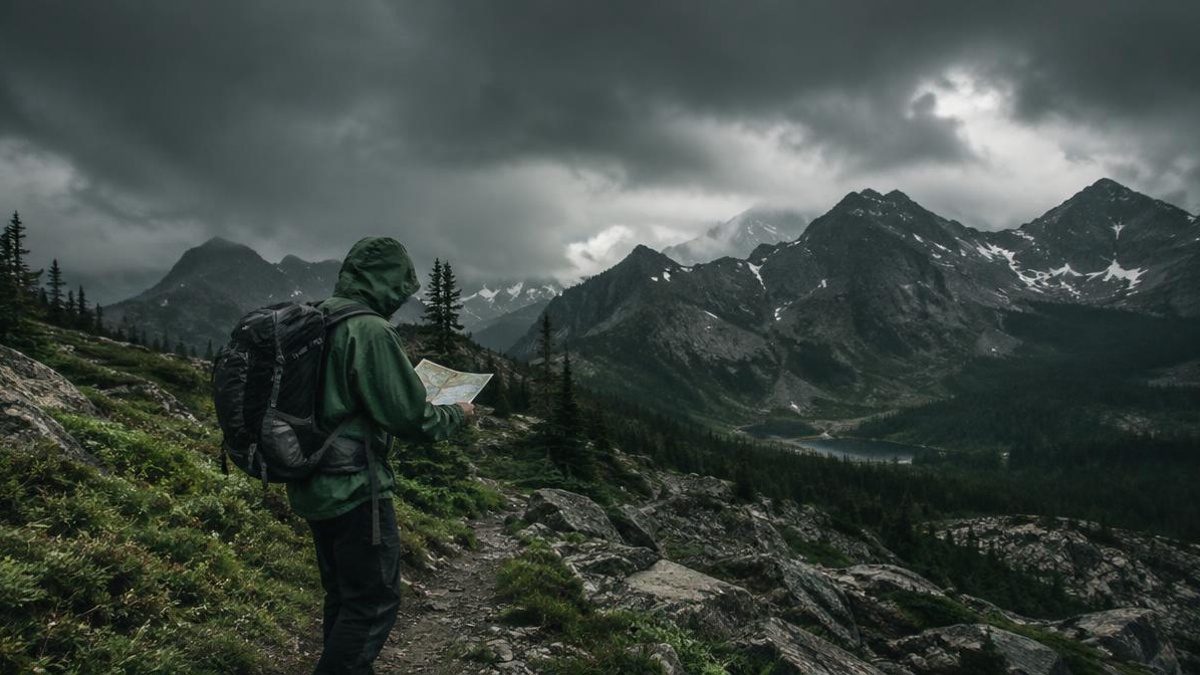
You’ve planned a short Colorado outing, but for some reason it becomes longer than expected, the weather changes and there is exposed terrain, or someone back home has no idea where you are. It doesn’t matter how experienced a hiker you are. A short day hike does not require a lot of specialized gear for a short expedition, but some planning to ensure that you have a good route, a realistic time, changeable clothing, and a means of communication. This pre-departure check list will help to make good decisions early on when there are still a lot of options available to you.
Start with a route you can explain
Be able to describe the route you intend to take, where you are going, potential stops along the way, and the route that you will take back to the trailhead or your vehicle. Be able to describe any branch points in the route and which of these are critical to your description of where you intend to go. A map (printed or an offline map) will be of little use unless it supports your plan and judgment along the way.
On the surface, planning a short day hike sounds like a walk in the park. Describe the route to your friends and then off you go! Actually though, it is a lot more serious than that. A leisurely ‘ambling’ stroll through the woods is very different from a long steep climb on tricky ground.
Before you set off check for any information that may affect your planned route such as current trail conditions, recent closures and changes to car parking.
Build the day around a firm limit
Most day hike planning fails when the return time is left open-ended to be determined later. Set a specific time to depart for your return, e.g., “we will leave by 4 PM or so.” Include time for return in your planned departure time based on daylight, weather, hikers’ pace and the slowest hiker in your party.
Instead, pack for the longer day. Bring enough water and food for the extra time on the trail as well as extra insulation, rain protection, sun protection, a light source and a means to navigate should you end up spending the night on the trail. Pack warm clothing so that it is easy to access throughout the day. Be aware that even on a short day hike, wet and windy weather can make short stops to eat and re-group very different from the initial section of the hike.
Use a simple pre-departure check:
- Is everyone dressed for the forecast and the route?
- Does each person know the desired destination for the trip and the plan for return?
- Is there enough water and food for an unplanned delay?
- Are phones charged, with maps available offline if needed?
- Are there any time, energy or equipment issues that need to be addressed before you go?
Any concerns about time, energy or equipment can usually be sorted out at the vehicle, not miles from home.
Watch the sky and the terrain
Your weather awareness will extend past temperature. Notice the amount of wind, clouds, precipitation, visibility and other changes in the weather. Mountain weather can change dramatically while lower trailheads are sunny and warm.
Check the weather forecast shortly before you depart. Once on the trail, monitor the weather. While a forecast is used as planning information, weather conditions can change quickly. Be prepared to take a detour from your route or to head back to the trailhead if you encounter strong winds, thunderstorms, heavy rain, or other poor weather while on the mountain.
And don’t wait for things to “get worse”. That cold rain, wet clothes, and fading light can become a full-blown logistics problem very quickly, even on the most familiar of routes.
Leave a communication plan
Provide sufficient information about the people going out on the day hike and the plan for them to be brought back by a trusted person. Give them the route taken, the trailhead where they started from, the description and color of the vehicle they will return in, and a list of all the people in the hiking party.
Ensure that if your plans do change whilst you are out, you send a message updating others as to your new plans before coverage fails. This can be as simple as a new route, alternative destination and return time to be received before you lose signal.
When contact will be lost, tell the hikers what to do. Make the plan work in reality. Do not count on services in remote locations. The phone may not work from that spot on the ridge, canyon or forest.
Decide when to turn around
You can decide to turn around a hike at any time. It’s generally easier to make this decision before you get frustrated with the rest of the group or with the hike itself. Decide on a set of triggers that would cause you to head back down the mountain and leave as soon as those are met.
Whether or not you reach your planned destination is irrelevant. Your return trip needs as much time and attention as the route out. That includes elevation, difficult route-finding and treacherous terrain that becomes much more difficult when wet.
So remember, turning around early in a day hike is not failure to complete your day hike. It is successful execution of your planned outdoor adventure. Safety is all about recognizing change in the mountain conditions and acting before your choices are removed.