Reading River Flows Before You Fish
Flow numbers become more useful when you read their timing, direction, and relationship to what you can see from shore.
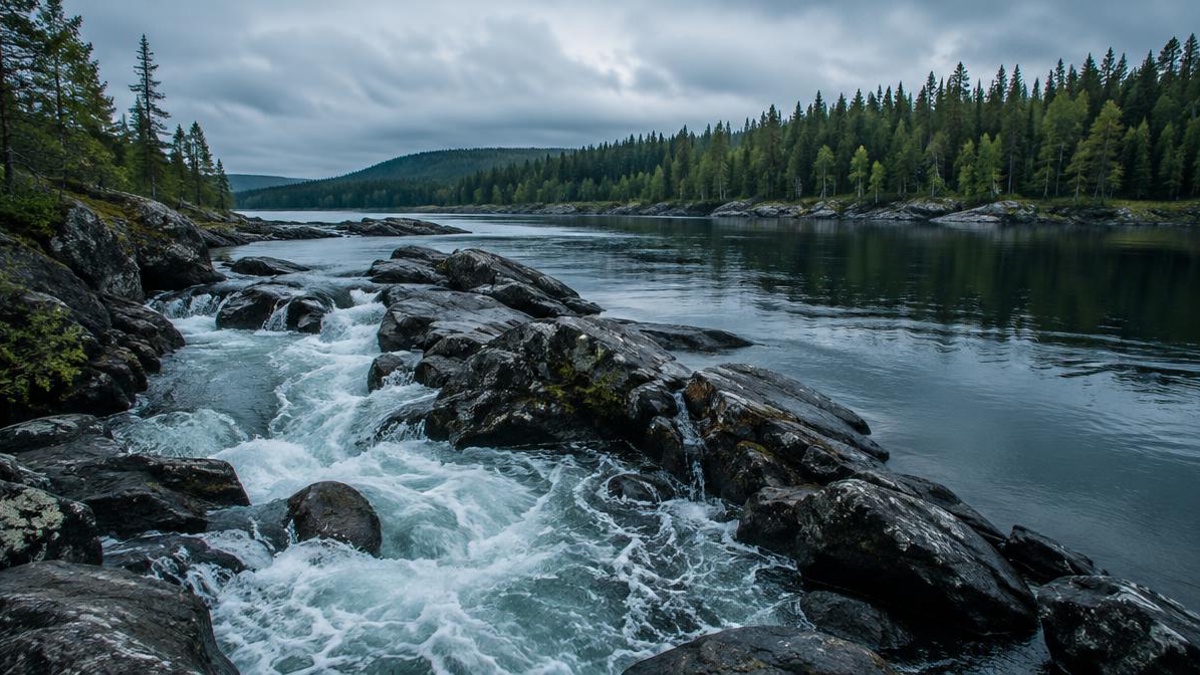
River flow information improves your fishing plan. A flow number is only a snapshot in time, and the timestamp tells you when that number was taken. The most recent direction of flow is often the most important information, helping you understand if the number is rising or falling. For study of the Arkansas River and other Colorado rivers, this information allows for the best judgment on where to monitor, and for planning based on recent, meaningful information rather than old information of uncertain relevance.
Start with the trend, not the headline number
As was mentioned previously, river flow data reports the amount of water that is passing a monitoring station at a certain point in time. Note that one number does not a river make. Other factors like the width of the river, the river’s channel, weather, upstream activity, tributaries, and the physical distance between the monitoring station and where you are trying to access the river all affect what you see when you are out on the water.
Look for trends in the river flow information. A single flow number does not tell you very much about the river. Compare the flow for several observations in time and ask yourself if the flow is going up, down or remaining constant. Slow changes in flow are more significant than small variations in seemingly close measurements.
A trend is not a forecast. The trend in the observations that you have been looking at is what has happened in the past. It does not tell you what will happen when you arrive at the river.
Why flow timestamps change the meaning
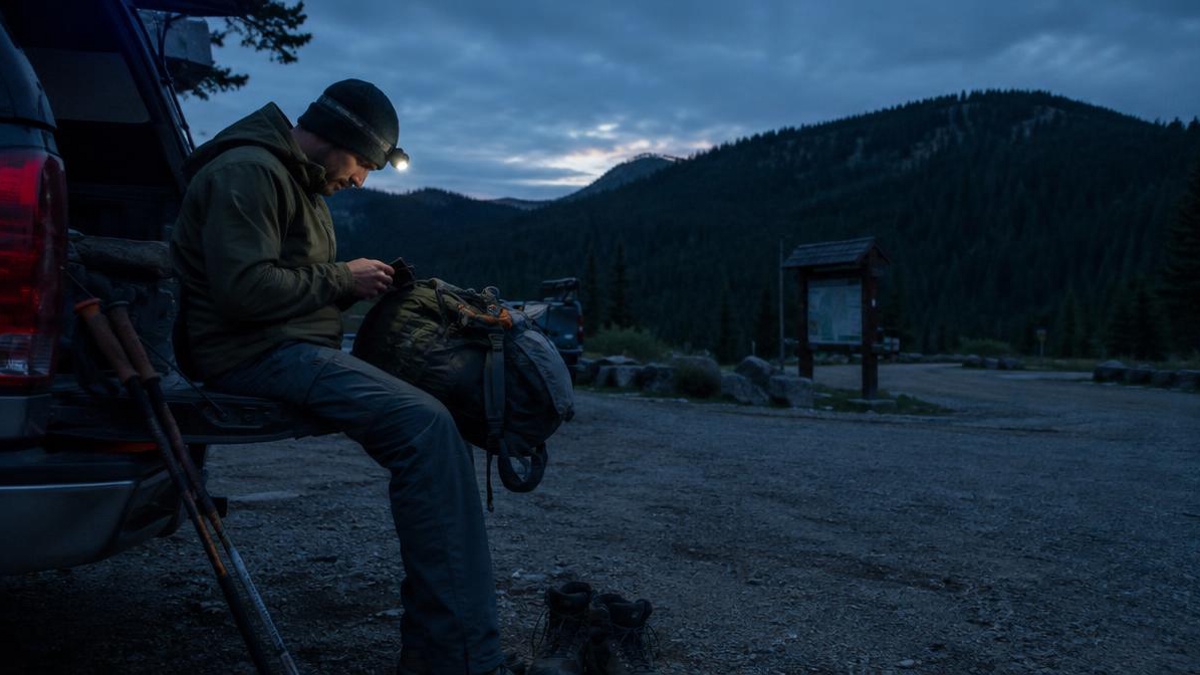
The timestamp of the river flow reading tells you when that reading was taken. This can be important to understand when reading a river flow reading on your phone from the trailhead or parking lot. That reading may have been taken hours before. The reading may be very different because of weather or upstream activity.
Be aware of how much time has passed between the readings and how much space there is between them. Readings that are recorded in quick succession can indicate changes in the river, whereas readings that are recorded with great distance in between can hide important information. Look at the last-update time for the site as well. If the update time is from earlier in the day then what you are reading may not be current.
For the usual comparison between readings from different stations, the space between individual readings needs to be taken into account, too. Stated readings that are close together in time help to clarify whether something is developing or not. Readings that are spaced far apart provide little in the way of information. In addition, it is also important to indicate the last update time in the display.
Match the information to your fishing choice
Using your phone on the trail to decide whether to go or not to go to go to another place to fish another time is simply too fast. It takes too much time to read the data and to make a good decision.
While checking flow information for a single occasion on the trailhead or at the parking place for a lake is relatively easy and does not require much time, saving a screenshot of flow information for future reference at a location that you return to frequently is much more valuable after having been saved. It helps to understand how well one did based on the trends that had been forecasted for the time of arrival and the conditions that were later encountered.
Add other relevant information (maps, local guides, etc.) as you would add other resources to a fishing plan. These resources answer different questions than the flow data on the River Watch web pages, such as where to access the river and what the local geography is like. Eventually, you need to go to the river and look for yourself.
Use shore observation as a final check
Before you even start to rig up take a few minutes to go to the river and take a good look at the water in front of you. Check the color of the water, how fast it is moving, any debris floating down stream, the banks and look for any changes in the edge of the river. Look to see how the current is running, around any rocks, bends and seams.
Remember that your best observation of the river conditions at the shore is not a substitute for your local knowledge and experience. Also, the point where you take your observation is not necessarily the same as the monitoring station and, therefore, it may be far from the main channel of the river and there may be tributaries joining the river.
If upon viewing the conditions of the river that you are about to fish you come to the realization that they are not what you had anticipated, change your plan. If the conditions appear to be fishable from your current position, move to another location on that same bank. If the fishing from that location appears to be sub-optimal, head to the opposite bank and continue searching for optimal fishing conditions.
Build a repeatable pre-trip habit
It’s quite simple to develop a pre-trip routine. Check the location of the flow measurement; read a few recent time-stamps; note the trend in the readings. Compare this with recent weather and other factors that may influence your decision to go fishing. Finally, head down to the water’s edge and make your decision there.
Make sure to include the date, the location of the station for future reference, the time stamp for the reading(s) considered, a general description of the apparent trend and then your observations of the river from the shore in as brief of notes as possible (i.e. date, station, time(s), trend, observations).
Do not mistake data for certainties. The river flow information serves as aid to your decisions. Use the flow data with common sense and accurate observations and alter your plans as circumstances dictate to arrive at the best fishing plan for your time on the water.